What is Style Transfer?
Honestly, "style transfer" is a pretty vague name for a task.
Plenty of common "style transfer" techniques just make the colors look like the reference image, or basically just swap out what's drawn in the reference image. But is that really "style"?
What we ought to call "style" surely involves a lot more than that.
- For drawings: what kind of pen or brush, the strokes, character design, line weight, habits of what to leave out...
- For photos: camera and lens, exposure, contrast, color rendering, tendencies in developing and retouching...
You could say that what currently goes by "style transfer" is just a catch-all label for "reference-based operations you can't quite call subject transfer."
Texture/Touch Matching
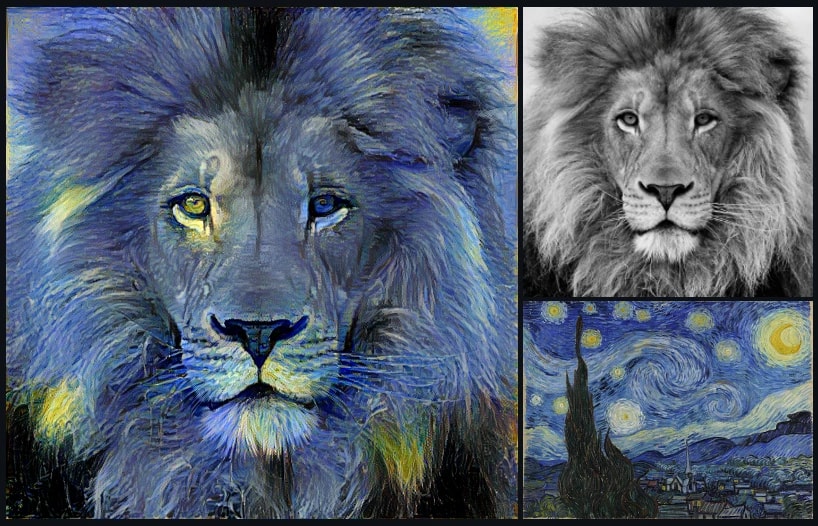
Classic Neural Style Transfer and filters/LoRAs like "oil painting style" or "watercolor style" belong here.
Think of it like an effect in video editing software. It keeps the original image's composition and shapes, and only makes the brush strokes and paint texture resemble another picture.
The focus here is on touch and texture; it doesn't go as far as the subject or character design.
Art Style/Authorship Matching ("XX Style" Models)
Generating "in the style of XX" with LoRAs or fine-tuned models trained on a specific artist or body of work.
The idea is to "copy it all as a package": how lines are drawn, how colors are laid down, how characters' faces look, how detailed the backgrounds are, even character design to some extent.
At this point, the line between this and subject transfer gets pretty blurry. If it's too close, it's less "style" and more "copying the artist (or work) itself," and if it includes character design, you could say it's crossing into subject territory.
Using Only the "Atmosphere" of Reference Images (IP-Adapter, etc.)
Here, the reference-image methods covered in subject transfer are used with a different subject, pulling only the art style, colors, and lighting toward the reference.
Typically, you take a single piece by an artist you like as the reference, describe a scene with different content (a different character, a different composition) in the prompt, and use IP-Adapter or similar to inject only "the mood of the reference image."
That makes it style transfer in the sense of "changing the subject but borrowing the mood." Still, where the subject ends and the style begins remains as fuzzy as ever.
Summary
Sorry that this page ended up so heavy on my own opinions.
Making manga with image generation AI runs into lots of problems, and specifying the art style is one of the hardest.
Part of that is surely that the technology isn't there yet, but I feel we first need a definition of what "art style" even means for image generation AI.